Doberman Pinscher: Complete Breed Guide to Temperament, Health, and Care

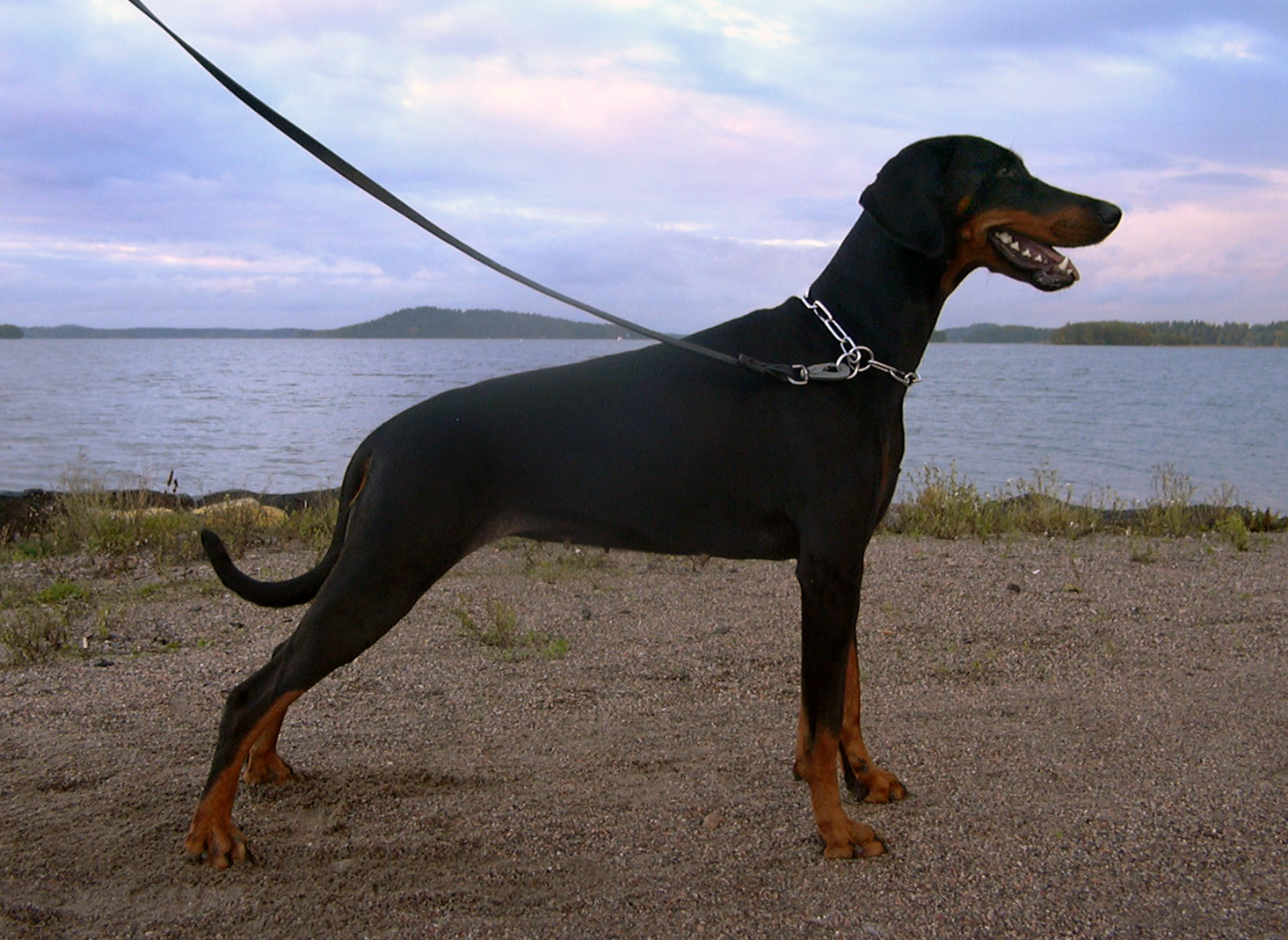
Doberman Pinscher: Complete Breed Guide to Temperament, Health, and Care
The Doberman Pinscher was developed in the 1880s in Thuringia, Germany, by tax collector Karl Friedrich Louis Dobermann, who wanted a dog with the stamina, strength, and intelligence to protect him on dangerous rounds. Today it is recognized by Germany’s VDH and kennel clubs worldwide, and often compared to the Rottweiler as one of the two classic German guard breeds.
Photo
Photo: Stonda~commonswiki / Wikimedia Commons, CC BY 2.5
| Origin | Height | Weight | Lifespan | Energy Level |
|---|---|---|---|---|
| Germany | Males 68–72 cm · Females 63–68 cm | Males 40–45 kg · Females 32–35 kg | ~8–11 years (varies by study) | Very High |
Executive Summary
The Doberman is intelligent, alert, and tenaciously loyal — research shows it is not, despite its reputation, an unusually aggressive breed toward its own owners. It needs an experienced handler who can provide consistent training and real physical outlets for its considerable athleticism.
What Owning a Doberman Involves
| With proper training & exercise | Without it |
|---|---|
| Alert, loyal protector with strong owner bond | Anxiety and destructiveness from unmet activity needs |
| Confident around family, cautious with strangers appropriately | Over-reactivity to unfamiliar people/dogs |
| Regular cardiac screening catches DCM early | Undiagnosed dilated cardiomyopathy progressing silently |
| Structured obedience channels intelligence productively | Boredom-driven behavioral issues |
3 Real-World Scenarios
- A first-time large-breed owner researching guard dogs: discovers through health-testing records that responsible Doberman breeders screen for dilated cardiomyopathy before breeding — a non-negotiable step given the breed’s documented cardiac risk.
- An experienced handler comparing Doberman vs. Rottweiler: notes the Doberman’s leaner, faster build suits agility and protection sport, while the Rottweiler’s heavier frame suits different working roles — see our full breed comparison table.
- A family evaluating temperament myths: researches real behavioral studies showing Dobermans score lower on owner-directed aggression than their popular reputation suggests, provided they are well-socialized.
2 Doberman Facts
1. The breed was created by a single person with a specific, documented purpose — tax collector Karl Friedrich Louis Dobermann in 1880s Thuringia — making it one of the few breeds with a traceable individual founder rather than a gradual regional development.
2. Dilated cardiomyopathy (DCM) is the most serious health concern in the breed; some studies report it as the leading cause of death, which is why cardiac screening is considered essential in responsible breeding programs.
🐾 Try It: What Breed Does Your Dog’s Description Match?
Click through real physical traits and see how close your dog’s description comes to a Doberman, Rottweiler, or other working breed.
🐾 What Breed Is My Dog? Click the traits you see
Try it instantly — no sign-up. Watch the match bar grow as you go.
For fun and general guidance only — not a substitute for a professional breed evaluation or DNA test. Photo credits shown above each result.
How the Doberman Compares to Similar Popular Breeds
| Breed | Origin | Male Weight | Energy Level | Guarding Instinct |
|---|---|---|---|---|
| Rottweiler | Germany | 50-60 kg | High | Very high |
| Doberman Pinscher | Germany (1880s) | 40-45 kg | Very high | Very high |
| German Shepherd | Germany (1899) | 30-40 kg | Very high | High |
| Beauceron | France (1587) | 30-45 kg | High | High |
| Golden Retriever | Scotland (1868) | 29-34 kg | High | Low |
| Labrador Retriever | England (1903) | 29-36 kg | High | Low |
| French Bulldog | France (1898) | 9-14 kg | Moderate | Low |
| Poodle (Standard) | Germany/France | 20-32 kg | High | Low |
| Bulldog | England (1875) | ~25 kg | Low | Low |
| Beagle | England (1830s) | 10-11 kg | High | Low |
| Dachshund | Germany (1700s) | 7-15 kg | Moderate | Moderate |
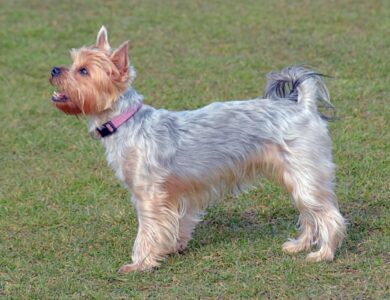
| Yorkshire Terrier | England (1870s) | ≤3.2 kg | Moderate | Low |
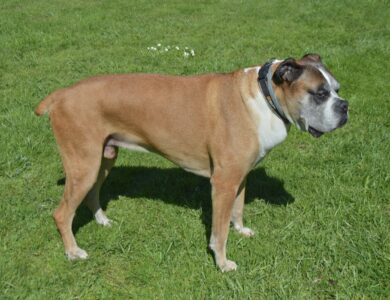
| Boxer | Germany (1895) | 30-32 kg | High | High |
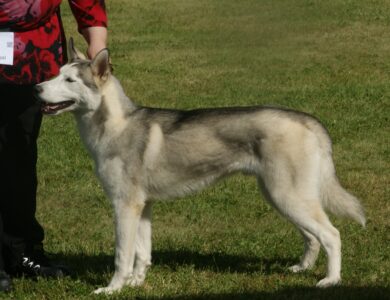
| Siberian Husky | Russia (Chukchi) | 20-27 kg | Very high | Low |
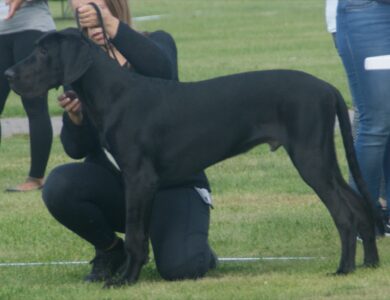
| Great Dane | Germany (1878) | 54+ kg | Moderate | Moderate |
Weight and origin data from published breed standards; energy/guarding levels are general working-breed characterizations, not clinical measurements. See the full breed index for filters by size and origin.
Nutrition and Exercise
The Doberman’s lean, athletic build needs consistent daily exercise — running, structured training, or working games — to stay physically and mentally satisfied. High-quality protein supports its muscle mass; portion control during the growth phase, as with most large breeds, helps reduce orthopedic strain.
10 FAQs
Are Dobermans actually aggressive?
How big does a Doberman get?
What is the biggest health risk for Dobermans?
Where does the Doberman breed come from?
What was the Doberman originally bred for?
How does a Doberman compare to a Rottweiler?
Do Dobermans need a lot of exercise?
What is von Willebrand disease in Dobermans?
Is the Doberman good for a first-time owner?
Is the Doberman recognized by an official kennel club?
Rottweiler: Complete Breed Guide to Temperament, Health, and Care
Verband für das Deutsche Hundewesen (VDH): Germany’s National Kennel Club
AI Dog Breed Photo Identifier: Upload a Photo, Get an Instant AI Match
Dog Breed Guide Index: Every Breed We’ve Covered, Filterable by Origin, Size, and Age